
Living sustainably and reducing household waste doesn’t have to be complicated or time-consuming. Small changes in daily habits can make a significant difference for the environment, as well as for your home and wallet. This post offers straightforward ideas to help you minimise waste and embrace a greener lifestyle, starting today.
Why Reduce Household Waste?
Reducing waste helps conserve natural resources, saves energy, and decreases pollution. When we throw less away, we also use fewer landfills and produce less greenhouse gas emissions. Additionally, sustainable living encourages thoughtful consumption, which can improve overall well-being.
Simple Steps to Cut Down Your Household Waste
1. Rethink Your Shopping Habits
One of the biggest sources of household waste is the packaging that comes with many products.
– Buy in bulk: Choosing larger quantities or bulk items means less packaging waste. Bring your own reusable containers to stores that allow refills.
– Choose loose produce: Skip pre-packaged fruits and vegetables. Using cotton or mesh bags reduces single-use plastic.
– Prioritise quality over quantity: Invest in durable, reusable items rather than cheap, disposable ones.
2. Avoid Single-Use Plastics
Single-use plastics, like straws, bags, and water bottles, contribute heavily to landfill and ocean pollution.
– Carry a reusable water bottle: Keep a refillable bottle with you to avoid buying plastic bottles.
– Use cloth bags: Always have reusable shopping bags to reduce plastic bag use.
– Switch to reusable alternatives: Use bamboo toothbrushes and washable food wraps instead of cling film.
3. Reduce Food Waste
Food waste makes up a large portion of household rubbish and has a big environmental impact.
– Plan meals: Making a weekly shopping list based on planned meals helps avoid buying too much.
– Store food properly: Learn the best ways to store fruits and vegetables to extend freshness.
– Save leftovers: Instead of throwing away cooked food, get creative with recipes or freeze portions.
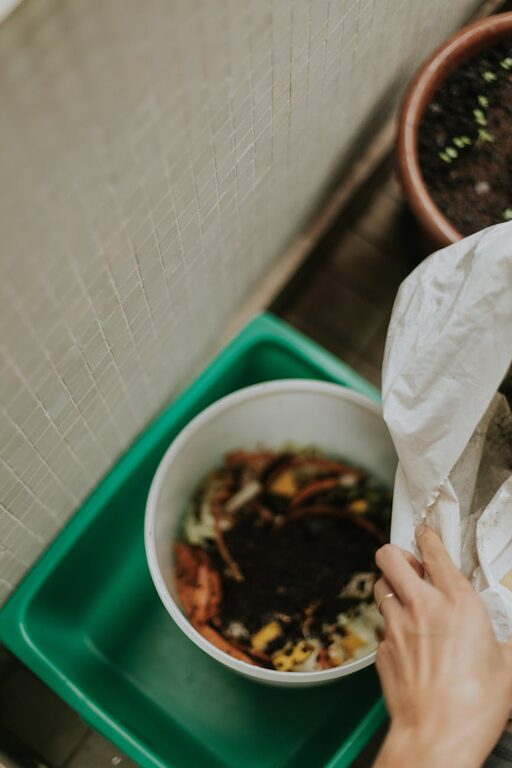
– Compost scraps: Composting vegetable peelings and coffee grounds turns waste into nutrient-rich soil.
4. Reuse and Repurpose
Rather than throwing things away, consider if they can be used again or given a new purpose.
– Donate unwanted items: Clothing, books, and toys can find a second life through charities or community groups.
– Repair instead of replace: Fixing broken appliances or clothes saves resources and reduces rubbish.
– Get crafty: Use jars, boxes, or old fabrics for storage and creative projects.
5. Recycle Correctly
Recycling reduces the need for raw materials, but it’s important to do it properly.
– Know what can be recycled locally: Different councils have varying rules about recyclable materials.
– Clean and sort materials: Rinse containers and separate items to avoid contamination.
– Avoid wish-cycling: Don’t recycle items that your local scheme doesn’t accept, as they may spoil the whole batch.
6. Make Sustainable Choices in the Home
Small lifestyle changes influence waste production.
– Use energy-efficient appliances: They reduce electricity consumption, indirectly lessening the environmental impact.
– Opt for digital bills and subscriptions: Moving away from paper reduces waste and clutter.
– Choose products with minimal packaging: When possible, select items packaged in recyclable materials such as cardboard.
Getting the Whole Family Involved
Sustainability works best with teamwork. Engage your family or housemates by:
– Setting up clear recycling stations and waste bins.
– Making waste reduction a fun challenge or habit tracker.
– Teaching children about environmental responsibility through simple tasks.
Final Thoughts
Reducing household waste is a rewarding process that can start with one small step. Whether it’s swapping plastic bags for cloth ones or planning meals to cut food waste, every action counts. By adopting these simple tips, you’ll contribute to a cleaner planet and a more sustainable future.
Remember, sustainability is a journey, not a one-time effort. Celebrate progress and keep exploring new ways to live lightly on Earth.